
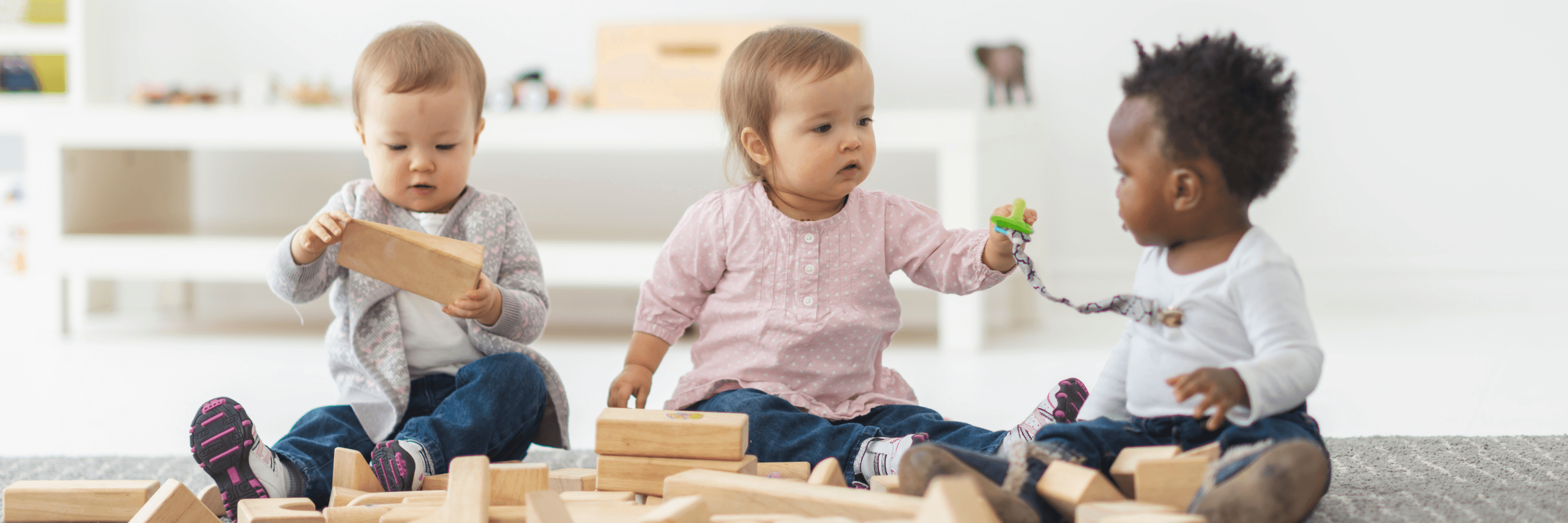
In the dynamic world of early childhood education, the Montessori method stands as a guiding light for comprehensive and child-centric learning. Originating from the vision of Dr. Maria Montessori in the early 20th century, this innovative approach has gained global acclaim for its profound impact on young minds. This blog explores the deep-seated influence of Montessori education on the early stages of childhood development.
Understanding Montessori Principles
Central to Montessori education are principles that redefine the conventional model of teaching. Dr. Montessori's belief in nurturing a child's innate curiosity, promoting independence, and instilling a passion for learning shapes the unique learning environment, empowering children with the freedom to explore and discover at their own pace.
Cognitive Development
Montessori classrooms serve as carefully curated spaces designed to stimulate cognitive development. Explore how purposeful activities and manipulative materials refine fine motor skills, enhance spatial awareness, and lay the groundwork for foundational mathematical and language skills. The emphasis on sensory experiences forges a profound understanding of abstract concepts.
Social and Emotional Growth
A hallmark of Montessori education is its emphasis on social and emotional development. In mixed-age classrooms, children cultivate a sense of community as they learn from and collaborate with peers. The freedom to choose activities nurtures responsibility, while the focus on grace and courtesy fosters empathy, conflict resolution, and respect for others.
Independence and Self-Esteem
Montessori environments empower children to become self-directed learners. Discover how the freedom to choose activities instills a sense of autonomy and self-confidence. As children master new skills and take pride in their accomplishments, they lay the foundation for a lifelong love of learning.
Language Acquisition
Montessori education places a strong emphasis on language development. Explore how storytelling, vocabulary-rich activities, and exposure to diverse linguistic materials allow children to naturally absorb language skills. The method leverages sensitive periods for language acquisition, capitalizing on a child's innate ability to learn languages effortlessly during early childhood.
Preparation for Real-World Challenges
Beyond academics, Montessori education equips children with essential life skills. Learn how practical life activities enhance motor skills and instill responsibility and capability. These skills serve as building blocks for navigating real-world challenges with confidence.
In summary, the impact of Montessori education on early childhood development is profound and enduring. By recognizing and respecting each child's individual needs and potential, Montessori classrooms create an environment conducive to intellectual, social, and emotional growth. Explore how the legacy of Dr. Maria Montessori's innovative approach continues to shape young minds, fostering a love for knowledge and a foundation for lifelong success.
See Montessori in action
Schedule a weekday tour — and enjoy your first four weeks free.